
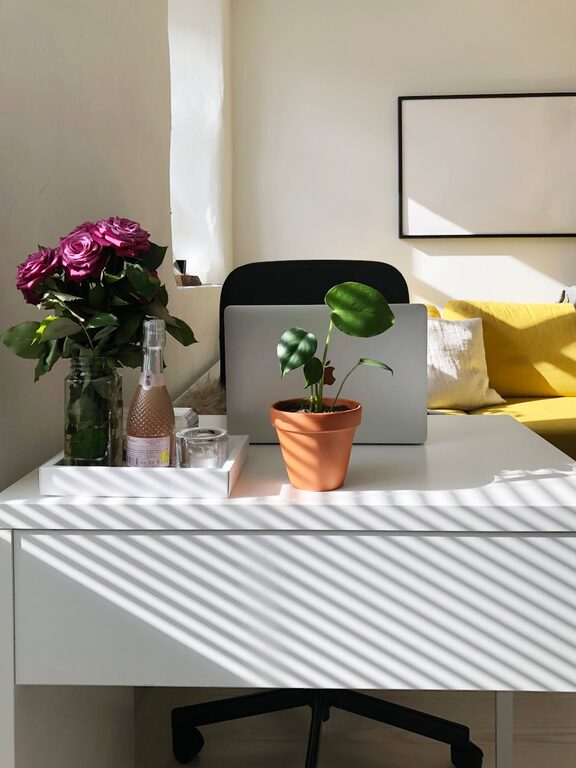
Creating a workspace at home that feels both cozy and productive can make a huge difference in your day-to-day work experience. Whether you are working remotely full-time or just from time to time, having an office environment that supports focus and comfort helps improve your efficiency and well-being. Here are some practical tips to help you design a home office that works for you.
Choose the Right Location
Consider Natural Light and Quiet
Start by selecting a spot in your home that offers plenty of natural light. Daylight can boost your mood and energy levels, making it easier to stay productive. Avoid areas with frequent distractions or high foot traffic, so you can focus without interruptions.
Optimize Space with Flexibility
If you don’t have a dedicated room to convert into an office, try using a corner of a quieter room or a part of your living area. Use room dividers, shelving, or plants to create a sense of separation from the rest of your home.
Invest in Comfortable and Functional Furniture
Ergonomic Chair and Desk
A good ergonomic chair that supports your back is essential for long work sessions. Pair it with a desk at the right height to reduce strain on your shoulders and wrists. Adjustable desks that allow you to alternate between sitting and standing are also a great option.
Keep Supplies Within Reach
Organize your workspace so that frequently used items like notebooks, pens, or chargers are easy to access. This reduces distractions and keeps your workflow smooth.
Use a Soothing Color Palette
Colors can influence your mood and productivity. Choose calming and neutral tones such as soft blues, greens, beige, or light gray. These colors promote relaxation and focus without overwhelming your senses. You can add pops of brighter colors through accessories or wall art for energy.
Enhance Lighting for Comfort and Efficiency
Layer Your Lighting
Besides natural light, use a combination of ambient lighting (like ceiling lights), task lighting (such as desk lamps), and accent lighting (for decorative elements). This layered approach helps reduce eye strain and creates a warm atmosphere.
Avoid Glare and Shadows
Position your monitors and desk lamps to prevent glare on your screen and shadows on your workspace. Use adjustable lamps with dimmer controls to tailor the light according to your needs at different times of the day.
Add Personal and Cozy Touches
Incorporate Plants
Plants not only add a touch of nature but also improve air quality and create a calming environment. Choose easy-to-maintain varieties like succulents, snake plants, or pothos.
Use Soft Textiles
Add a soft rug, cushions, or a throw blanket to make the space feel inviting. These elements contribute to a cozy atmosphere and help reduce noise from hardwood or tile floors.
Display Inspirational Items
Surround yourself with photos, quotes, or artwork that motivates you. This personal touch keeps you inspired throughout your workday.
Keep Your Workspace Organized
Declutter Regularly
A tidy workspace reduces stress and distractions. Use storage solutions like shelves, drawers, and boxes to keep your materials organized and out of the way.
Use Cable Management
Keep cables and cords neat with clips, sleeves, or cable organizers. This not only looks better but also prevents tangling and accidents.
Incorporate Technology Thoughtfully
Use a Reliable Internet Connection
A fast and stable internet connection is crucial for productivity, especially if you attend video meetings or upload files regularly.
Invest in Quality Equipment
Use good headphones or speakers, a comfortable keyboard and mouse, and a monitor with adequate size and resolution. These tools help reduce fatigue and improve work performance.
Develop a Routine and Boundaries
Set Work Hours
Establish clear work hours to maintain a healthy balance between professional and personal life. Inform family members or roommates about your schedule to minimize interruptions.
Create a Start and End Ritual
Begin your workday with a small ritual like making a cup of coffee or stretching. End the day by tidying your desk or journaling. These habits help signal your brain when to focus and when to relax.
Prioritize Health and Well-being
Take Regular Breaks
Stand up, stretch, or walk around every hour to reduce physical strain and boost circulation.
Maintain Good Posture
Pay attention to your sitting posture and adjust your chair or desk height as needed. Consider using a footrest or cushion for additional support.
Conclusion
Designing a home office that balances coziness with productivity is achievable with some thoughtful planning. Prioritize comfort, natural light, good organization, and personal touches to create a workspace where you can thrive. By following these tips, you’ll enjoy a more pleasant and effective work-from-home experience.
